
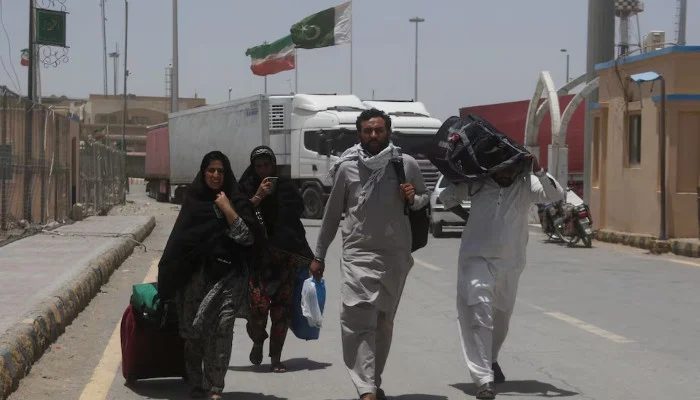
Iran has stated that its border with Pakistan remains open and there are currently no restrictions on the export of Iranian goods, including liquefied petroleum gas (LPG), to the country. Iranian Ambassador to Pakistan Reza Amiri Moghadam issued the clarification amid reports concerning the closure of the Iranian border, saying Tehran had imposed no restrictions on exports to Pakistan.
"Iran's borders with all its neighbouring countries remain open," the envoy said in a statement on X. "Under the prevailing circumstances, it would be neither logical nor in the interests of either side for Iran to close its borders to its immediate neighbours, particularly brotherly Pakistan," he added.
Moghadam, however, pointed towards changes in Pakistan's E-Form procedure for imports from Iran, saying they had created a situation in which traders were "effectively and literally unable to dispatch cargo from Iran to Pakistan". He said consultations with the Pakistani side were currently underway to address the issue.
The Iranian envoy also said that, according to reports, several hundred trucks carrying LPG had crossed the Rimdan border into Gabd on the Pakistani side. However, the trucks had remained there for several weeks without being unloaded or cleared, he said.
Moghadam said the situation was further complicating the movement of goods and the smooth flow of bilateral trade. The ambassador stressed that cross-border trade between Pakistan and Iran was an integral part of bilateral agreements reached at the highest levels and served the interests of both countries and their people.
"Iran has made every possible effort, leaving no stone unturned, to facilitate and promote this essential bilateral trade," he said. Moghadam said Tehran remained committed to working closely with its Pakistani counterparts to overcome the existing challenges, facilitate the movement of goods and strengthen economic cooperation between the two countries.
The diplomatic clarification comes at a crucial time when both nations are looking to enhance their trade volume. The ambassador's statement serves to reassure the business community that the supply chain remains legally open from the Iranian side.
Officials from the Pakistani Ministry of Commerce are expected to review the E-Form procedures to ensure that the logistical bottlenecks at the border are resolved promptly. This move is seen as vital to maintaining the energy supply chain, particularly for LPG imports which are essential for domestic consumption in various regions of Pakistan.
Both countries have historically maintained that economic cooperation is a cornerstone of their bilateral relationship. The ongoing dialogue is expected to yield a mechanism that simplifies the documentation process for traders while ensuring compliance with international and local regulations.
As the situation develops, the business community remains hopeful that the coordination between Islamabad and Tehran will lead to the swift clearance of the stranded trucks, thereby restoring the normal flow of trade and preventing further economic losses for the stakeholders involved.