
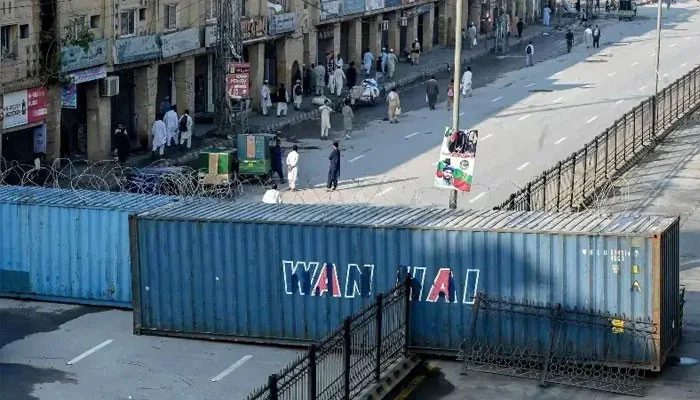
The debate over creating new provinces, establishing additional administrative units, or strengthening local governments has receded from the political spotlight following the imposition of emergency and governor's rule in Khyber Pakhtunkhwa (KP), shifting the immediate focus towards the provincial situation and relations between the federal government and its political allies.
The discussion over restructuring Pakistan's administrative framework had gained momentum in recent months, with political leaders, policymakers, and experts debating whether governance challenges could be addressed through smaller provinces, empowered local governments, or the creation of additional administrative units. However, the developments in KP have changed the immediate political context, with the federal government and its allies concentrating on the implications of emergency rule and the future administrative arrangements in the province.
The Pakistan Peoples Party (PPP), a key coalition partner of the Pakistan Muslim League-Nawaz (PML-N)-led federal government, occupies an important position in the debate over provincial restructuring. The PPP has maintained that any proposal to create new provinces must follow constitutional procedures and secure the required provincial consent.
The Sindh Assembly has also passed a resolution opposing the division of existing provinces. The party's position is particularly significant because any major restructuring of the provincial framework would require broad political consensus and compliance with the constitutional process.
The PPP has defended the federal government's decision to impose governor's rule in KP, although its leadership has said the party initially favoured dialogue and regarded emergency measures as a last option. The current situation has consequently placed the immediate emphasis on the management of KP, while the wider debate over administrative restructuring remains without a clear legislative direction.
The options discussed in recent months have included creating smaller provinces, establishing stronger local government institutions with greater administrative and financial powers, and reorganising existing administrative units to improve governance and public service delivery. No formal decision to abandon these proposals has been announced.
However, the latest political developments have pushed the debate out of the immediate policy agenda, with no publicly confirmed timetable for translating the proposals into legislation. The future of the debate is likely to depend on whether the ruling coalition can develop a common position on the scope of administrative reforms and the constitutional requirements governing any changes to the existing provincial structure.