
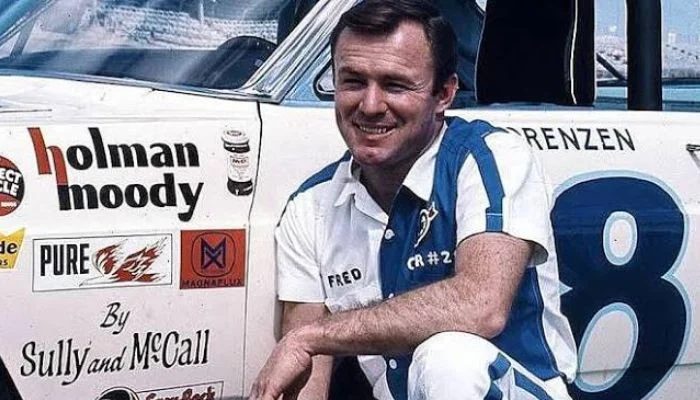
NASCAR driver Fred Lorenzen was found to be suffering from chronic traumatic encephalopathy (CTE) at the postmortem stage, according to his family members. Researchers at the Boston University CTE Center confirmed the neurodegenerative brain disease, making Lorenzen the first NASCAR driver to be diagnosed with the illness.
The NASCAR Hall of Fame driver, who won the 1965 Daytona 500, passed away in December 2024 at the age of 89, just 12 days before his 90th birthday. Fred's children, Chris Lorenzen and Amanda Lorenzen-Gardstrom, reported that his behavior changed significantly many years before his death, exhibiting signs such as impulsivity, irritability, anxiety, and memory loss.
According to Dr. Thor Stein of the Boston University CTE Center, Fred suffered from the cortical-sparing form of CTE, which is observed in 11% of all cases and results in the early appearance of behavioral, mood, and motor symptoms. Stein noted that the condition was caused by head injuries sustained while racing.
The family decided to dedicate a million-dollar donation to the Concussion & CTE Foundation in Fred's honor to fund research and establish the Fred Lorenzen Memorial HelpLine. Amanda stated, "While he may be the first race driver diagnosed with CTE, we know from outreach to other drivers that he isn't the only one suffering."
The announcement comes less than a month after NASCAR icon Darrell Waltrip stepped away from public life following a diagnosis of frontotemporal degeneration complicated by possible CTE. Medical experts emphasize that repeated head impacts in motorsports can lead to severe long-term neurological consequences, similar to those seen in American football and boxing.
The findings have sparked renewed discussions regarding driver safety, helmet technology, and concussion protocols within professional racing organisations. Advocacy groups hope that increased awareness and funding will help protect current and future generations of drivers from debilitating brain injuries.
The legacy of Fred Lorenzen will now extend beyond his historic victories on the track to include pioneering contributions to neurotrauma research.