
The government of Pakistan is actively exploring strategic cooperation with the World Bank Group to integrate tokenisation, digital bonds, and artificial intelligence (AI)-enabled financial operations into its national economy. This initiative serves as a cornerstone of the country's broader efforts to develop a robust, transparent, and internationally recognized regulatory framework for virtual assets, aimed at modernizing the domestic financial landscape.
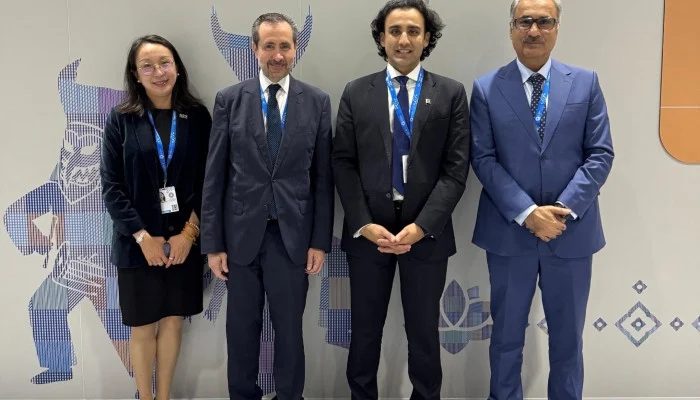
Minister of State and Pakistan Virtual Assets Regulatory Authority (PVARA) Chairman Bilal bin Saqib held a high-level meeting with World Bank Group Vice President and Treasurer Jorge Familiar on the sidelines of the IMF-World Bank annual meetings in Bangkok. According to an official statement released by the PVARA on Monday, the dialogue underscored the importance of aligning Pakistan's emerging digital economy with global best practices.
The discussions were primarily focused on knowledge sharing, institutional capacity building, and the immense potential for financial innovation to deepen capital markets. By leveraging digital assets, the government aims to improve settlement efficiency, broaden access to capital for small and medium enterprises, and ensure comprehensive investor protection while maintaining long-term financial stability.
In a post on X on Sunday, Bilal bin Saqib highlighted the rapid transformation of the sector, stating that Pakistan has successfully transitioned from a "blanket ban on virtual assets to a comprehensive regulatory framework in just 15 months." This shift marks a significant departure from previous policies that stifled digital innovation within the country.
He specifically cited the landmark Virtual Assets Act 2026 as the primary driver of this change. Furthermore, the lifting of the State Bank of Pakistan's (State Bank of Pakistan (SBP)) 2018 banking ban on the sector has provided the necessary legal breathing room for financial institutions to engage with digital assets.
The issuance of licensing rules, which occurred just 170 days after the law's formal assent, demonstrates the government's commitment to swift implementation. The PVARA chairman noted that the regulator has already received 75 applications from a mix of international and domestic firms eager to operate within the new legal parameters.
Additionally, the authority has launched a regulatory sandbox covering gold, property, and remittances, allowing firms to test their products in a controlled environment before full-scale deployment. "Licensing is the next immediate priority for the authority, with significant economic benefits expected to materialize in 2027," Bilal bin Saqib added.
The government remains optimistic that these reforms will attract foreign direct investment and position Pakistan as a regional hub for digital financial services. The collaboration with the World Bank is expected to provide technical assistance in refining these regulations, ensuring that Pakistan's digital asset ecosystem remains resilient against money laundering and cyber threats.
As the country moves toward a more digitized economy, the integration of AI-enabled operations will likely play a pivotal role in optimizing government revenue collection and public service delivery. Industry experts have lauded the move, noting that the transition to digital bonds could significantly reduce the cost of government borrowing.
By bypassing traditional intermediaries, the state can issue debt instruments directly to investors, thereby increasing transparency and reducing the time required for settlement. As the 2027 deadline for full-scale licensing approaches, the government is expected to continue its engagement with international stakeholders to ensure that the regulatory framework evolves in tandem with global technological advancements, ultimately fostering a sustainable and inclusive economic future for Pakistan.