
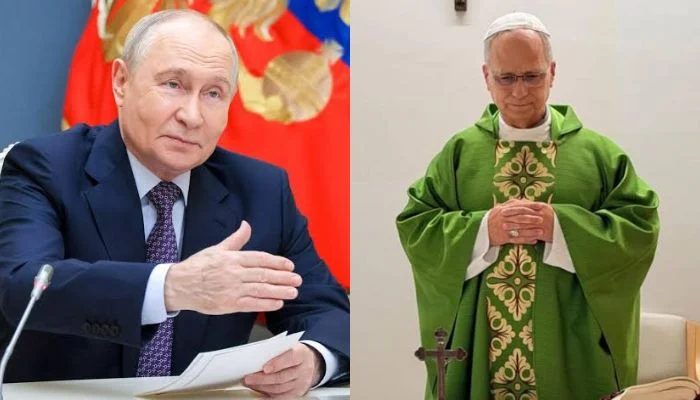
The Pope called Russian President Vladimir Putin from his hospital room in Rome on Friday, and the Russian leader has agreed to cooperate with the Vatican on sending humanitarian aid to a Ukrainian town. The 86-year-old Pope, who is recovering from abdominal surgery this week, requested Putin to implement a ceasefire in the Russian-controlled town of Oleshky in the Kherson region of Ukraine.
The Pope showed deep concern over the humanitarian crisis in the town and asked for a temporary ceasefire so food, medicines, and the safe evacuation of civilians could be made possible, according to the Vatican. In response, the Kremlin declared that Putin backed the Vatican's plan to assist the residents and promised to cooperate with the Vatican in supplying the necessary items.
But Moscow has yet to confirm that Putin had accepted the proposed ceasefire. According to United Nations (UN) figures, the town's population of about 24,000 people before Russia's invasion has shrunk to 47 children and 1,700 adults.
The residents have been facing food and medicine shortages, and Russia and Ukraine have blamed each other for blocking humanitarian deliveries to the region. Putin also expressed hope the Pope would soon recover and criticized the Ukrainian authorities for the deteriorating situation in Oleshky during the discussion.
The call was initiated by the Pope who, after undergoing an operation on Wednesday to repair an abdominal hernia, is still at Rome's Gemelli Hospital. The Vatican published images of the Pope's attendance at Mass in the hospital on Friday, and doctors said he was making good progress.
This marks the second recorded phone call between the Pope and Putin since the pontiff became Pope. The international community is closely watching the situation, as the Vatican continues its diplomatic efforts to mitigate the suffering of civilians caught in the conflict zone.
Humanitarian organizations have long warned that the Kherson region remains one of the most volatile areas in the ongoing war. The involvement of the Vatican is seen as a rare diplomatic channel that could potentially open corridors for aid that have been closed for months.
While the Kremlin's commitment to cooperate is a positive step, analysts remain cautious about the implementation of the ceasefire. The logistical challenges of delivering aid in an active war zone are immense, and the safety of aid workers remains a primary concern for the Vatican.
The Pope's health remains a subject of global interest, with well-wishers from across the world sending messages of support. His ability to conduct high-level diplomacy from his hospital bed underscores his commitment to his mission of peace.
As the situation in Oleshky develops, the world waits to see if this phone call will translate into tangible relief for the remaining residents who have endured months of hardship and isolation.