
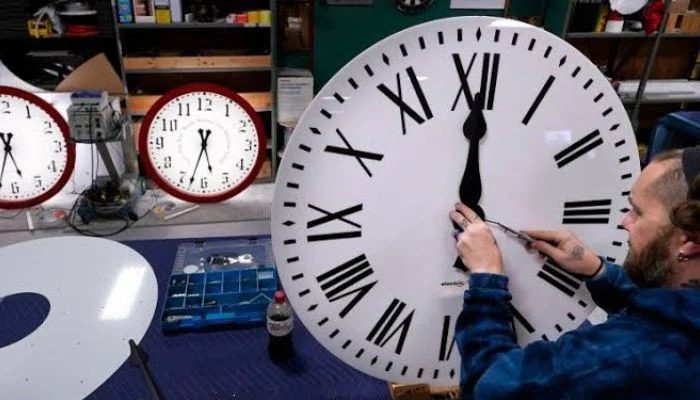
On November 1, 2026, the United States will turn back the clocks, as Congress did not pass a law eliminating the twice-a-year time change. Despite President Donald Trump's appeals and growing public demand, Congress did not send the Sunshine Protection Act to him for signing.
It should be mentioned that the bill providing for permanent daylight saving time was passed by the House of Representatives in July with a vote of 301 to 117; however, it remained pending in the Senate. As Trump stressed several times, "Republicans in the Senate have to get moving on what I call the 'No More Changing of Clocks Act.'" Moreover, according to him, the current situation is ridiculous because most people prefer additional lighting in the evening.
Nevertheless, some Republican senators remain opposed to the measure. Senator Tom Cotton of Arkansas stated that Congress previously attempted permanent daylight saving time, but the public was unhappy with extremely late sunrises in winter.
Senate Majority Leader John Thune said there is "no clear path forward," while Senator Roger Wicker pointed out potential safety issues for children waiting for school buses in the dark. These concerns have created a legislative stalemate that prevents the bill from reaching the President's desk.
Surveys indicate that many Americans favor ending this procedure. In a YouGov poll conducted in 2023, 62% of respondents supported abolishing daylight saving time, while 54% wanted it removed according to a Gallup poll conducted in January 2025.
Currently, Hawaii, most of Arizona, and Puerto Rico use standard time all year round. These regions have opted out of the federal mandate, highlighting the regional divide on the issue.
The state of New Jersey recently approved a bill in its Senate making daylight saving time permanent, yet it requires federal permission to become effective. This move by New Jersey reflects the growing frustration at the state level regarding federal inaction.
For now, the majority of the country will turn back their clocks by one hour at 2 a.m. on November 1. This transition marks the end of the daylight saving period for the year.
As the date approaches, citizens are reminded to manually adjust analog clocks and non-connected devices. While most smartphones and computers update automatically, the lack of federal consensus ensures that the biannual ritual continues for at least another season.
The debate is expected to resurface in the next legislative session, as proponents of the change continue to lobby for a permanent shift. Until then, the status quo remains in effect across the vast majority of the United States.