Long before Islamabad emerged on the map as Pakistan's federal capital, Rawalpindi had already established itself as an important urban center in the Potohar region. Known for its old bazaars, historic neighborhoods and bustling streets, Rawalpindi carries layers of history that distinguish it from its planned neighbor across the Nullah Lai.
The city's character has been shaped by centuries of movement, trade and settlement. Its old quarters retain traces of an urban past in which markets, places of worship, caravan routes and residential streets developed around one another.
Rawalpindi also occupies an important chapter in Pakistan's modern history. After independence, it served as the country's interim capital from 1959 until 1967, while Islamabad was being developed as the new federal capital.
The construction of Islamabad changed the region, but it did not diminish Rawalpindi's identity. Instead, the two cities grew together, developing an unusual relationship between an old, densely settled city and a newer, carefully planned capital.
Today, Rawalpindi remains a city of contrasts. Its traditional markets and historic streets coexist with expanding neighborhoods, busy commercial centers and modern infrastructure.
The presence of the Pakistan Army's General Headquarters (GHQ) has further reinforced Rawalpindi's national significance. The city is also closely connected with Islamabad through roads, public transport and a shared urban economy, making the two cities function in many respects as a single metropolitan area.
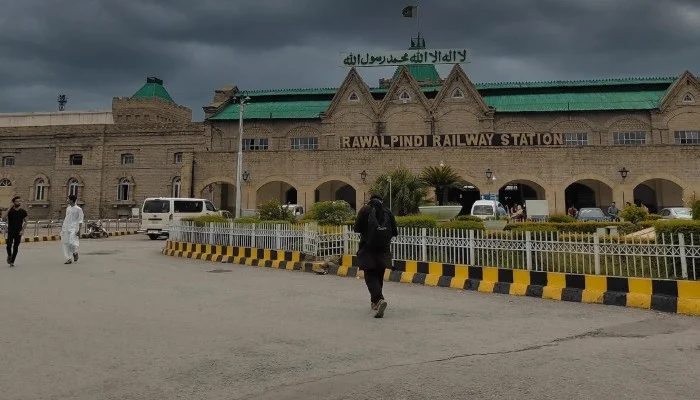
Yet Rawalpindi is more than a city neighboring the federal capital. Its bazaars, old neighborhoods, railway heritage and historic buildings reflect a much older urban story.
Islamabad is known for its planned sectors, broad avenues and relatively modern architecture, while Rawalpindi retains the dense streets, markets and layered history of an older South Asian city. The former interim capital therefore remains an important part of Pakistan's capital story - not as the seat of the federal government, but as the historic city that grew alongside it and continues to shape the life of the capital region.
As urban expansion continues in the twin cities, preservation of Rawalpindi's historic core remains essential for maintaining the cultural and historical balance of the entire region.