
The government has recovered Rs712.40 million from irregular Benazir Income Support Programme (BISP) payments involving government employees and pensioners, while more than 229,000 government employees or their family members have been identified in the programme's beneficiary records, the National Assembly was informed on October 23.
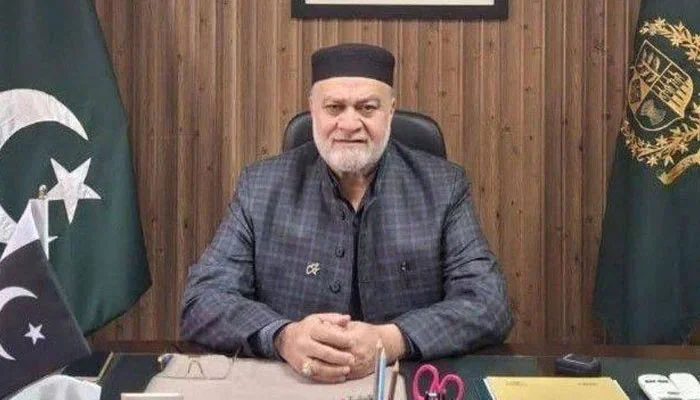
In a written reply to a question by MNA Changaze Ahmad Khan, Minister for Poverty Alleviation and Social Safety Syed Imran Ahmad Shah said the recovered amount included Rs545.784 million retrieved through the Federal Investigation Agency (FIA), Rs21.550 million from BISP employees, and Rs145.066 million from other government departments.
The minister said cases involving government employees or pensioners identified as recipients of BISP payments had been referred to the relevant authorities, including provincial chief secretaries, accountants general, the FIA, and the Controller General of Accounts (CGA), for recovery and disciplinary action.
According to the reply, recoveries had also been initiated in 236 cases involving BISP employees, with disciplinary action taken against those found responsible. The government subsequently obtained updated data on government employees and pensioners from the CGA, ministries, autonomous bodies, and state-owned enterprises.
More than six million records were forwarded for profiling and further action. The latest information available in the programme's Management Information System (MIS) showed that 229,157 government employees or their spouses had been identified as BISP beneficiaries.
However, 32,971 cases involving monthly pensions of Rs29,000 or less had been exempted from recovery in accordance with a decision of the BISP Board. The minister said the process of data updating, profiling, blocking, and recovery was under way, adding that the number of irregular or ineligible beneficiaries, the recoverable amount, and the sums recovered could change as the exercise progressed.
Responding to a question about complaints concerning illegal deductions, unauthorised charges, fake biometric verification, and unauthorised withdrawals, the minister stated each complaint was examined and action taken under the applicable rules. Cases involving banks or payment service providers were referred to the institutions concerned for investigation and resolution.
The action could include penalties, recovery of irregularly deducted amounts, and other corrective measures. In cases involving fraud or serious malpractice, legal or disciplinary proceedings could also be initiated against the responsible persons or entities.
The BISP payments were currently disbursed through the retail networks of six partner financial institutions (PFIs). The networks were monitored through field inspections, beneficiary complaints, system-based controls, and audits.
Where irregularities were detected, the programme could suspend or blacklist agents, recover amounts, and impose penalties under contractual provisions. On measures to reduce beneficiaries' dependence on intermediaries, the written reply stated the BISP was gradually moving towards greater digitisation and direct payments through Social Protection Wallets (SPWs).
The initiative aims to provide beneficiaries with greater choice, transparency, convenience, and security, while ensuring that they receive the full sanctioned amount. The government has also developed and implemented an Integrated Grievance Management System.