
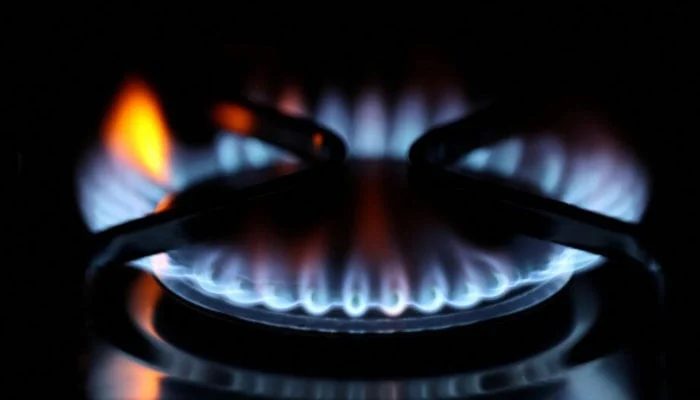
The Sui Southern Gas Company (SSGC) has announced designated timings for gas availability to domestic consumers during the winter season, stating it is committed to ensuring supplies during household cooking hours in line with government instructions. According to an announcement, domestic consumers will receive gas during three periods each day: 6:30am to 9am, 12pm to 2:30pm, and 6pm to 9pm.
The company emphasized that prioritizing domestic consumers during these hours is a core part of its winter strategy, implemented under federal directives to maximize public convenience. This proactive approach aims to mitigate the impact of seasonal shortages on households across the country.
Separately, Sui Northern Gas Pipelines Limited (SNGPL) has introduced gas load management for domestic consumers in Islamabad, Punjab, and Khyber Pakhtunkhwa. Effective Wednesday, supplies are restricted to the same three daily cooking-time slots as dwindling liquefied natural gas (LNG) availability and rising winter demand exert pressure on the national supply system.
The government is prioritizing domestic consumption over other sectors to manage limited resources effectively. This decision reflects the administration's focus on maintaining essential services for the public during the peak winter months when heating and cooking needs are at their highest.
SNGPL has also reduced gas supplies to the compressed natural gas (CNG) sector from 50 million cubic feet per day (mmcfd) to 35 mmcfd, with plans to suspend supplies to the sector entirely in the coming days. This measure is intended to divert remaining gas volumes to residential areas.
The cement industry has already transitioned to coal, while industrial consumers on the distribution network face reduced supplies. These shifts are part of a broader national effort to optimize energy usage across various economic sectors during the winter crunch.
Industries connected directly to the transmission network, including export and non-export sectors, are currently receiving approximately 200 mmcfd, though further reductions remain possible depending on supply chain stability. The government continues to monitor the situation closely.
Meanwhile, the power sector is receiving about 140 mmcfd to maintain electricity generation, and the fertilizer industry is being supplied approximately 53 mmcfd to ensure agricultural productivity is not severely hampered. Energy experts suggest that these measures are necessary to prevent a complete collapse of the supply chain during the coldest weeks of the year.
Consumers are advised to use gas judiciously during the designated hours. The authorities have assured the public that they are exploring all options to increase imports and improve local production to alleviate the current energy crisis in the long term.