
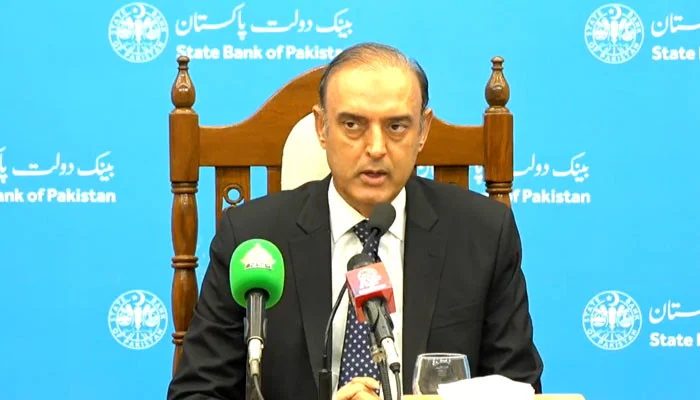
The State Bank of Pakistan (SBP) Monetary Policy Committee (MPC) on Monday officially raised the policy rate by 50 basis points, bringing the benchmark interest rate to 12%. The announcement was made by the central bank governor, Jameel Ahmed, during a press conference held at the SBP headquarters.
This decision marks the first hike in the policy rate since April, signaling a shift in the central bank's monetary stance. The move comes as the country grapples with persistent inflationary pressures that have remained stubbornly above the target set by the government and the central bank.
According to the SBP, the primary driver behind this inflationary trend is the rising cost of energy. Global supply chain disruptions, exacerbated by the ongoing conflict in the Gulf region, have led to a significant increase in fuel and electricity prices, which has subsequently pushed up the cost of production and consumer goods across the country.
The Monetary Policy Committee noted that while the economy has shown signs of resilience, the external environment remains challenging. The committee emphasized that the decision to increase the rate was necessary to anchor inflation expectations and ensure macroeconomic stability in the face of global economic volatility.
Financial analysts suggest that this hike is aimed at curbing excessive demand and stabilizing the national currency. By increasing the cost of borrowing, the SBP intends to reduce the circulation of money, thereby cooling down the overheated economy and bringing inflation back within the desired range.
The business community has expressed mixed reactions to the news. While some industry leaders acknowledge the necessity of controlling inflation, others fear that higher interest rates could stifle private sector growth and increase the cost of debt servicing for local businesses.
The SBP governor assured that the central bank is closely monitoring the situation and will continue to take data-driven decisions. He highlighted that the bank remains committed to its mandate of price stability while supporting sustainable economic growth.
Market participants are now looking toward the upcoming fiscal reports to see how this policy shift impacts the broader financial landscape. The SBP has indicated that future adjustments will depend on the trajectory of global commodity prices and domestic economic indicators.
The government is expected to issue a formal statement later today regarding the potential impact of this policy change on public sector development projects and the overall economic outlook for the current fiscal year. This is a developing story and is being updated with further details as more information becomes available from the central bank and economic experts.