
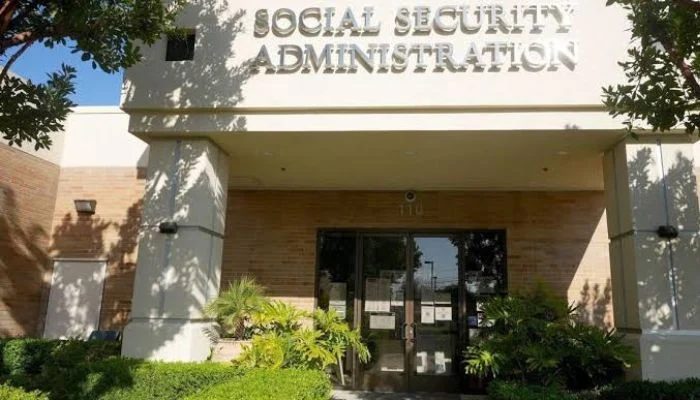
The Social Security Administration announced Wednesday, October 14, that benefits will increase by 3.6% in January 2027, giving retired workers an average monthly boost of $75. The cost-of-living adjustment (COLA) will affect nearly 72 million Social Security beneficiaries, including retirees, disabled workers, and survivors.
About 7.3 million Supplementary Security Income (SSI) recipients will see increased payments beginning December 31, 2026. In total, roughly 76 million Americans will receive higher payments across the country under this federal adjustment program.
Commissioner Frank J. Bisignano said: "Social Security will implement this cost-of-living adjustment for 76 million Americans, giving them greater financial stability." The highest monthly payment a person retiring at full retirement age could receive will rise from $4,152 to $4,188.
The average married pair will see their payments rise by $147, from $3,238 to $3,355. The upper limit for earnings that will be subject to Social Security taxes is set to be raised to $192,300 from $184,500 to adjust for ongoing economic changes.
Individuals who have created an online my Social Security account will be able to see their COLA notice in late November, three weeks earlier than the mailing of those who will receive theirs by post. Other individuals will need to create a my Social Security account and sign up for the electronic delivery of notices by November 18 to see it online conveniently before the official mailing dispatch date.
Although it will be the biggest since 2009, some activists consider the raise insufficient. In September, according to the Bureau of Labour Statistics, inflation stood at 3.7%.
The Senior Citizens League said it was "another year, another COLA that falls short of expectations," and three-quarters of those aged 50 or above in an AARP survey were sceptical about it. Financial analysts note that while the adjustment provides some relief, rising costs in healthcare and housing continue to strain fixed-income households significantly across the United States.
Further reviews and adjustments will continue to be monitored by congressional committees and economic experts as the implementation date approaches in the coming months.