
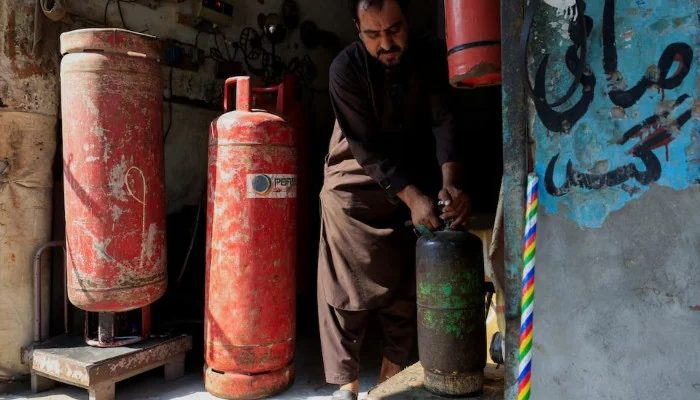
The federal cabinet has approved new Liquefied Petroleum Gas (LPG) pricing rules, effectively deregulating the sector and tying domestic prices to import parity. The cabinet approved the decision by circulation under Rule 17(1)(b), ending the Oil and Gas Regulatory Authority (OGRA) monthly notification of a maximum consumer price.
Under the new framework, OGRA will now notify only the producer price, which is linked to the Saudi Aramco Contract Price on an FOB basis. Consequently, private companies will be empowered to set their own downstream margins, freight charges, and marketing costs, moving away from the previous government-regulated price ceiling.
Official documents reveal that the cabinet guidelines, issued under Section 21 of the OGRA Ordinance, effectively override the 2016 policy previously approved by the Council of Common Interests (CCI). Notably, this change was implemented without formally amending or repealing the 2016 policy or obtaining fresh approval from the CCI, raising questions about the procedural consistency of the move.
The Petroleum Division maintains that this policy shift is essential to secure winter supplies and curb widespread profiteering. Officials argue that the previous formula - Saudi CP plus 35,000 rupees per metric ton - was fundamentally flawed.
It reportedly omitted critical costs such as premiums, freight, insurance, and port handling, which made formal imports commercially unviable for many suppliers. Conversely, the Ministry of Planning and Development has expressed significant caution.
The ministry warned that the proposed pricing mechanism could lead to a sharp increase in LPG prices for the common man. They urged the government to conduct a thorough comparative analysis between the existing CP-based system and the proposed CFR-based system before implementation.
Despite these concerns, no detailed impact analysis was provided to the cabinet. In response to the Ministry of Planning's reservations, the Petroleum Division argued that the intervention is necessary because consumers are already paying prices significantly higher than the OGRA-set maximum, rendering the current regulatory framework ineffective.
Market analysts suggest that while deregulation may encourage competition and improve supply chain efficiency, the lack of a price cap could leave vulnerable consumers exposed to market volatility. The transition period will be critical in determining whether the promised supply stability outweighs the potential for increased costs.
As the winter season approaches, the effectiveness of these new rules will be put to the test. The government faces the challenge of balancing the commercial viability of importers with the affordability of fuel for households that rely on LPG for heating and cooking.
Industry stakeholders are now awaiting the formal issuance of the new price notifications. The shift marks a significant departure from the state-controlled pricing model that has been in place for years, signaling a broader move toward market-based energy pricing in Pakistan.
Ultimately, the success of this policy will depend on whether the increased supply actually leads to price stabilization or if the removal of the OGRA price ceiling results in an unchecked rise in the cost of living for the average citizen.