
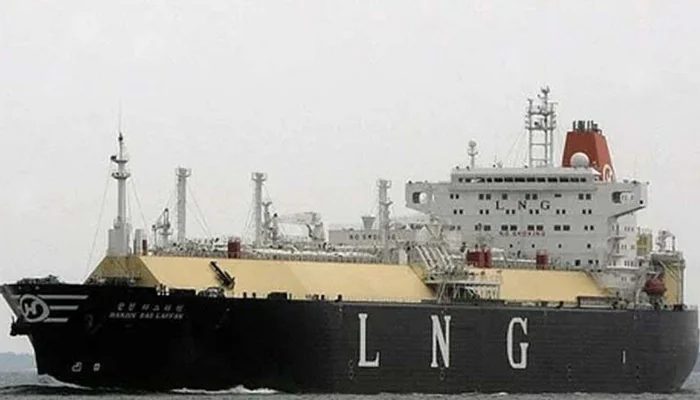
Pakistan is heading towards a severe winter gas crunch as QatarEnergy has further extended its force majeure on Liquefied Natural Gas (LNG) supplies until December 29, leaving the government struggling to secure additional cargoes amid soaring demand and tightening supply options. The extension threatens to squeeze LNG availability during December and January, when household gas consumption peaks, raising the prospect of severe supply curtailments for the power sector, industries, fertiliser plants, cement factories, and Compressed Natural Gas (CNG) stations.
"Yes, Qatar has extended its force majeure on LNG supplies until the end of December," a senior official confirmed, speaking on the condition of anonymity due to the sensitivity of the matter. The government is now planning to arrange 10 LNG cargoes for the two peak winter months against an estimated total requirement of 20, comprising nine in December and 11 in January, creating a massive deficit that will require careful load management.
The shortfall is likely to intensify competition between domestic consumers, export-oriented industry, and the power sector, with household supplies expected to receive priority under the government's winter energy mitigation plan. Potentially, this will leave industrial consumers with severely restricted gas availability, forcing many factories to rely on alternative and more expensive fuels to maintain their production cycles throughout the harsh winter months.
Senior officials of the Sui gas companies said household gas demand in Punjab and Khyber Pakhtunkhwa could jump significantly from 500 million cubic feet per day (mmcfd) to 1,500 mmcfd during the peak winter months of December and January. In Sindh and Balochistan, domestic demand is projected to double from 300 mmcfd to 600 mmcfd, compounding the national deficit and putting immense pressure on transmission and distribution infrastructure.
Energy experts have urged the federal government to aggressively pursue spot market purchases and implement strict conservation measures across all sectors to mitigate the impact of the impending shortfall on the national economy. Furthermore, authorities are considering closing CNG stations and captive power plants during specific peak hours to divert maximum possible volumes toward domestic households and essential public services.