
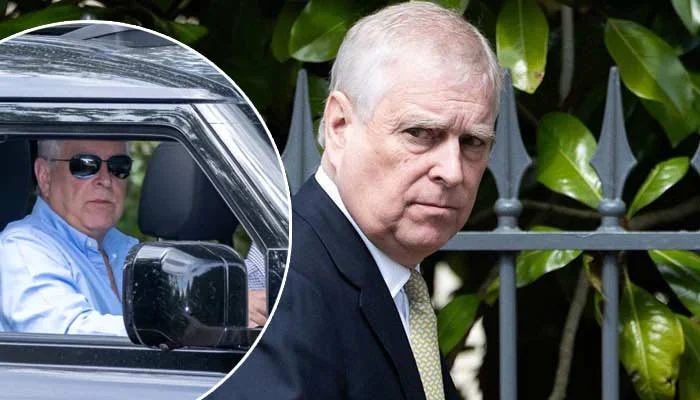
Andrew Mountbatten-Windsor has scored a major victory over Thames Valley Police as the force admitted in a bombshell fresh statement that its search warrants were unlawful, reaching an agreement. A High Court judge has confirmed that the former prince Andrew and law enforcers reached an agreement that search warrants used to raid two of his properties in February 2026 were unlawful and should be quashed.
On Thursday, October 8, 2026, the ruling was delivered at the Royal Courts of Justice, where Justice Hilliard presided over a hearing. However, the former Duke of York himself did not appear in the court to witness the proceedings firsthand.
The warrants, originally granted on 18 February 2026, had authorised officers to search premises in both Norfolk and Berkshire as part of a police inquiry into alleged misconduct in public office. The High Court formally quashed the warrants on 22 July, with both parties accepting that the legal basis under which they were originally issued by an Old Bailey judge was incorrect, according to a new report.
Legal experts have noted that this development marks a significant turning point in the ongoing scrutiny surrounding the former senior royal. The admission by Thames Valley Police underscores the strict legal standards required for executing search warrants on private residential properties.
During the court session, lawyers representing Andrew argued that the initial raids breached privacy rights and relied on flawed judicial authorization. The police legal team ultimately chose not to contest the quashing of the warrants after reviewing the statutory parameters.
Public interest in the case remains extremely high across the United Kingdom and internationally. Media outlets have closely followed every twist and turn of the legal battle, which involves complex questions of jurisdiction, police powers, and the rights of public figures.
Despite this significant legal win regarding the search warrants, the broader police inquiry into alleged misconduct continues. Investigators have stated that they are reviewing their next steps in light of the High Court's ruling and the agreement reached between the parties.
Representatives for Andrew expressed satisfaction with the court's confirmation that the search warrants were unlawful. They emphasized that due process must be respected by all law enforcement agencies regardless of the individual's status.
The High Court proceedings have also brought renewed attention to the protocols governing how magistrates and judges issue warrants for high-profile individuals. Observers expect further legal debates as the wider investigation progresses in the coming months.
As the legal dust settles on this specific dispute, both sides are expected to maintain strict confidentiality regarding ongoing discussions. The formal conclusion of the warrant challenge provides Andrew with a temporary yet vital respite in his ongoing legal battles.