
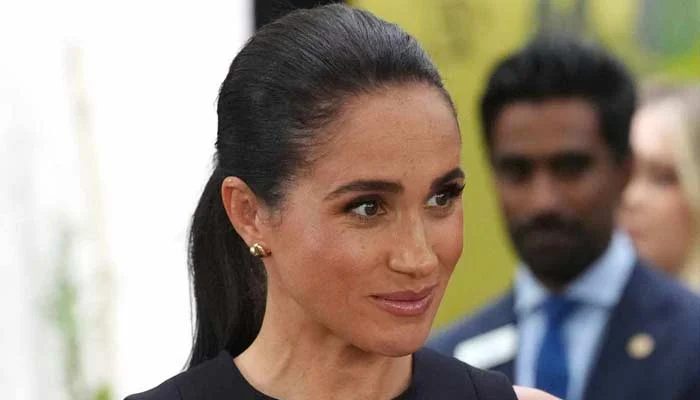
Meghan Markle always maintains a composed and stunning public persona to handle both pleasant and difficult situations, knowing a single misstep could damage her reputation. However, a recent unexpected blow from British staffers tested her patience when they refused to work for her.
Prince Harry's wife allegedly exploded at her US team over a string of embarrassing blunders as she failed to convince top British talent to join her. After years of highly publicised staff turnover, insiders claim recruiting the best candidates has become an uphill battle.
"Meghan can offer a glamorous title, but the best people aren't biting," an insider told Rob Shuter. "Her reputation gets there before the job offer does.
People see the turnover and think, 'Why would it be different for me?'" Meghan is reportedly furious with her current team, with the source adding: "She exploded. It was, 'How did nobody catch this?' Meghan expects her team to protect her from this kind of ridicule." The source explains that she blames the American team when things go wrong, while prospective British employees watch, noting: "Nobody wants to become the next person blamed, or the next departure that makes headlines."
Observers note that the ongoing staffing challenges pose a significant hurdle for the Duchess as she attempts to build new commercial and media ventures. Building a loyal and stable workforce remains vital for high-profile celebrities who rely heavily on behind-the-scenes support to manage their extensive public engagements and business portfolios.
Critics point out that managing cross-continental teams requires immense cultural awareness, diplomacy, and a collaborative environment to prevent internal friction and public relations missteps. As the Duchess weighs her next strategic moves in the entertainment and lifestyle industry, overcoming these recruitment hurdles will be critical to achieving her long-term professional aspirations.
Public relations experts suggest that addressing internal communication gaps and fostering a supportive workplace culture could eventually help restore confidence among prospective employees in both the UK and the US.