
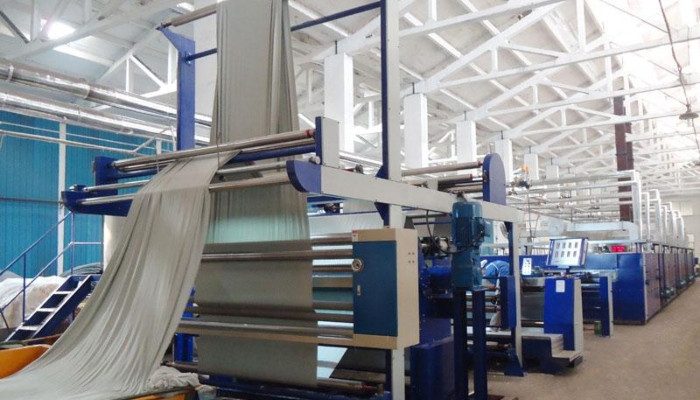
Chairperson of the All Pakistan Textile Processing Mills Association (Aptpma) Rizwan Lakhani said Pakistan's textile processing industry is facing serious challenges due to persistent gas and water shortages and rising electricity tariffs. Unreliable supplies of energy and essential utilities are increasing production costs, making Pakistani products more expensive than those of competing countries in international markets.
Rising global petroleum prices are also driving up the cost of dyes and chemicals, adding to the financial pressure on the industry and undermining the competitiveness of Pakistani textile products, he added. Lakhani said the textile processing industry plays a vital role in exports, employment generation, and industrial development.
However, prevailing conditions are making it increasingly difficult for industrialists to sustain production and fulfill international buyers' orders at competitive prices. He urged the government to ensure uninterrupted supplies of gas and water to the industry on a priority basis and bring electricity tariffs in line with those of regional competitors.
He proposed introducing long-term, predictable energy tariffs for export-oriented industries, reviewing additional surcharges and other financial burdens on electricity bills, and facilitating the adoption of renewable energy, particularly solar power. He also called for improved water availability through the establishment of treatment and recycling plants in industrial areas, alongside accessible financing and incentives for investment in modern technologies and wastewater treatment systems.
The Aptpma chairperson said the government and industry should hold meaningful consultations to develop a long-term industrial policy aimed at reducing production costs, improving product quality, and boosting exports. He also called for duty and tax concessions on imported modern machinery, timely payment of export-related refunds, and incentives for technological upgradation.
Lakhani said addressing gas, water, and electricity issues and providing policy stability and a business-friendly environment would help Pakistan compete with China, Bangladesh, India, and other textile-producing countries. This will boost exports, strengthen foreign exchange reserves, generate employment, and contribute to economic stability, he added.
The industry leader emphasized that the textile sector is the backbone of the national economy, contributing significantly to the GDP. Without immediate government intervention, the sector risks losing its global market share to regional rivals who benefit from lower utility costs and more stable policy frameworks.
He further noted that the current energy crisis is not just a temporary hurdle but a structural issue that requires a comprehensive roadmap. By investing in energy efficiency and modernizing infrastructure, Pakistan can transform its textile sector into a high-value-added industry.
Lakhani concluded by stating that the association remains committed to working with the government to find sustainable solutions. He expressed hope that the authorities would recognize the urgency of the situation and take concrete steps to support the industrial sector, which is essential for the country's long-term economic prosperity.
The business community expects that the upcoming budget and policy reviews will prioritize these concerns, ensuring that the textile industry remains a viable and competitive force in the global market.