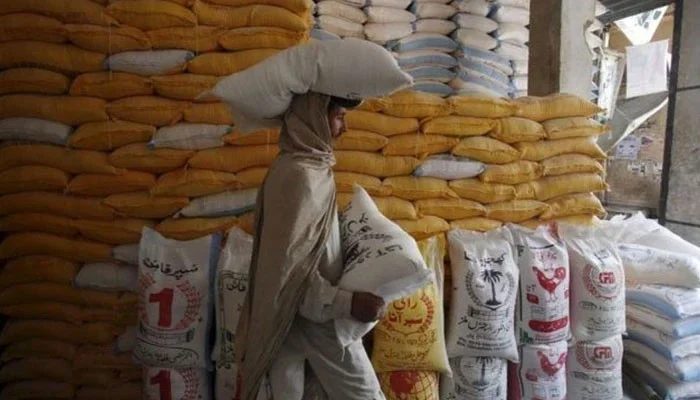
Punjab Chief Minister Maryam Nawaz has expressed strong displeasure over the recent increase in flour prices and convened an emergency video-link meeting to address the issue. Relevant officials briefed the meeting in detail on Saturday regarding the current market situation and the factors contributing to the price surge.
The chief minister directed the authorities concerned to ensure the availability of wheat and flour at affordable prices under all circumstances. She emphasized that the provincial government would not tolerate any negligence in the supply chain that could lead to artificial shortages or price hikes for the common man.
The meeting decided to increase the quota of subsidised government wheat supplied to flour mills at Rs3,800 per maund. This strategic decision aims to stabilize the market and prevent further escalation in the cost of essential food items across the province.
It was agreed to provide a subsidy of Rs10 billion to ensure the uninterrupted supply of flour at affordable rates, a move which the chief minister subsequently approved. This financial intervention is intended to provide immediate relief to the citizens of Punjab who have been struggling with rising food costs.
The meeting expressed deep concern over the trend of artificial increases in the market prices of wheat and flour. Officials emphasized the need for effective administrative measures, including strict monitoring of supply routes and market inspections, to ensure public relief.
"The burden of inflation on the people of Punjab is extremely painful. We will utilise all available resources to ensure the supply of flour at affordable prices," the chief minister stated during the session.
She reaffirmed that the provision of subsidised flour and low-cost roti would continue as a top priority for her administration. Furthermore, the chief minister instructed the district administrations to remain vigilant and take stern action against hoarders and profiteers.
She noted that the government is committed to protecting the purchasing power of the vulnerable segments of society. The provincial food department has been tasked with monitoring the daily distribution of wheat to ensure that the benefits of the subsidy reach the intended flour mills and, ultimately, the consumers.
Regular reports on market prices will be submitted to the Chief Minister's Office. In conclusion, the government's proactive stance reflects its focus on food security and economic stability.
By injecting funds and increasing quotas, the administration aims to mitigate the impact of global and local inflationary pressures on the staple diet of the population. The meeting concluded with a renewed commitment from the provincial cabinet to maintain price stability.
The chief minister reiterated that any attempt to manipulate the market for illegal gains would be met with the full force of the law.