
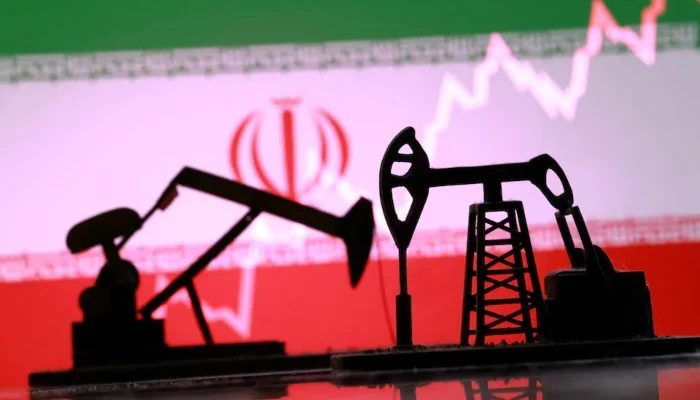
Global energy markets are sending a fresh warning to the world economy as US benchmark West Texas Intermediate (WTI) approaches $100 a barrel and international benchmark Brent exceeds $107, raising fears of renewed inflation, higher living costs and volatility across global stock markets. WTI was quoted at $99.25 a barrel on Friday, October 16, up $1.28, or 1.31%, while Brent rose $1.59, or 1.50%, to $107.51.
The rally comes amid concerns over global oil supplies and a larger-than-expected drawdown in US crude inventories. The US Energy Information Administration reported an inventory decline of 8.6 million barrels, against market expectations of just 288,000 barrels.
Although the larger-than-expected drawdown supported crude prices, inventory changes alone do not establish whether the global market faces a sustained supply shortage. Higher oil prices can raise the cost of petrol, diesel, aviation fuel, shipping and industrial production, eventually feeding into food prices and consumer inflation.
They can also complicate central banks' interest-rate decisions and widen differences in corporate earnings across sectors. In the United States, higher fuel costs could squeeze household budgets and raise expenses for transport operators, airlines and businesses dependent on road freight.
While oil producers may benefit, energy-intensive industries and consumer-facing companies could face weaker margins and demand. The S&P 500 and Nasdaq may consequently see energy shares outperform fuel-dependent businesses, with broader market performance shaped by corporate earnings and interest-rate expectations.
Across Europe, expensive energy threatens to complicate efforts to contain inflation while sustaining economic growth. In the United Kingdom, higher petrol and diesel prices could increase household expenses and business costs, while making the Bank of England more cautious about cutting interest rates.
The FTSE 100 could see energy shares gain while fuel-intensive companies come under pressure. France's nuclear-heavy electricity system offers some protection against gas-driven electricity price increases, but motorists, freight operators and airlines remain exposed to higher oil prices.
Energy companies on the CAC 40 could benefit, while industrial, travel and consumer-facing businesses face tighter margins. Germany's manufacturing sector is particularly vulnerable to higher energy, freight and petrochemical costs.
Automakers, chemical producers and other industrial companies could struggle to protect profit margins, making the DAX more sensitive to inflation data, European Central Bank decisions and signs of weakening industrial demand. For Pakistan and India, higher oil prices threaten to widen import bills and increase pressure on their currencies.
In Pakistan, more expensive petroleum could push up domestic petrol and diesel prices, raising transport, freight, food distribution, agricultural and electricity-generation costs, further straining household budgets.