
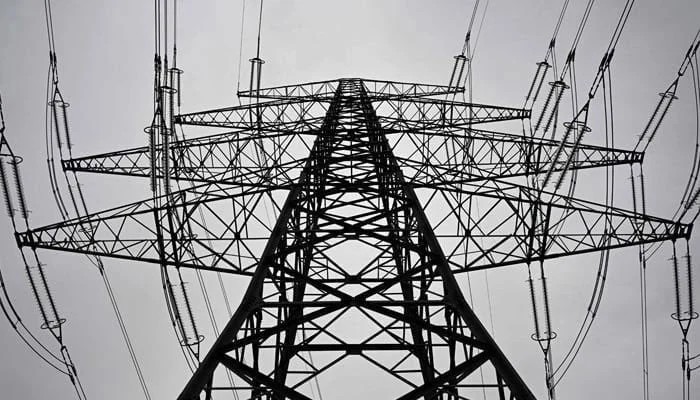
Pakistan is facing power outages of as much as 12 hours a day despite having 49,651 megawatts of installed generation capacity, the Pakistan Business Forum said. The business group said prolonged outages are disrupting commercial and industrial activity, with exporters facing delays in fulfilling international orders because of unreliable electricity supplies. It also criticised Pakistan's power generation costs, which it described as among the highest in the region.
PBF Chief Organiser Ahmad Jawad called on the Power Division to disclose the country's current electricity demand, actual generation and the shortfall being managed through loadshedding in clear and accessible terms. The forum also sought greater transparency over electricity generation, asking the government to disclose which power plants are currently operating, their individual output and the total number of plants generating electricity, apart from the Mangla and Tarbela hydropower projects.
The Power Division has attributed around 3,600MW of generation to the unavailability of re-gasified liquefied natural gas and a delay in the arrival of an LNG cargo. The PBF questioned how a disruption involving a single cargo can have such a significant impact on the national power system when consumers continue to pay substantial capacity and fixed charges to independent power producers. The forum also questioned the rationale for around Rs1.8 trillion in annual capacity payments for idle generation capacity, arguing that the power sector needed better planning and contingency mechanisms to manage foreseeable supply disruptions.
The PBF said the flow of circular debt has increased 709 per cent to Rs364 billion in the last fiscal year, raising questions about the effectiveness of the existing power-sector management framework. It called for improved planning, greater system efficiency and measures to ensure consumers are not left paying for structural weaknesses in the power sector. The business group also highlighted the sharp rise in electricity tariffs over the years.
It said the average tariff was around Rs8.30 per unit, excluding taxes, during Nawaz Sharif's government, compared with nearly Rs29 per unit during the tenure of Prime Minister Shehbaz Sharif. "Despite the continuous increase in electricity prices, circular debt also continues to rise every year," the PBF said, questioning the sustainability and effectiveness of the existing power-sector model. The forum further noted that, besides distribution companies, more than 10 government departments are involved in managing different aspects of the power sector, adding to the burden on the national exchequer.
The PBF called on the government to prepare and publicly release a comprehensive report explaining the reasons for repeated electricity tariff increases. It also sought full details of capacity payments to independent power producers, fixed charges, other payments, contractual obligations and major costs associated with electricity generation and supply. Greater transparency and accountability are essential to restoring public confidence, reducing electricity costs, containing circular debt and ensuring reliable power supplies for households, businesses and export-oriented industries, the PBF said.