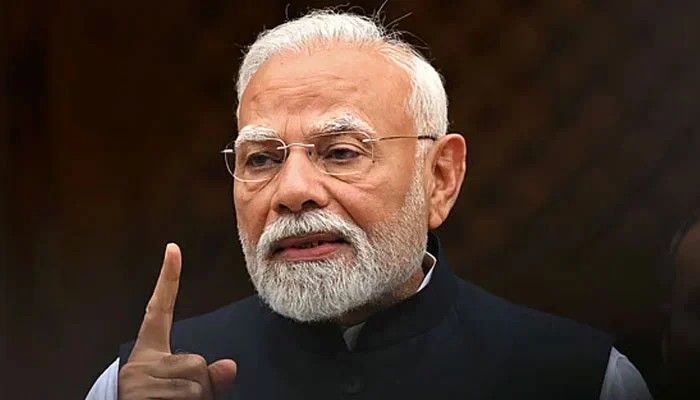
NEW DELHI: Prime Minister Narendra Modi has revived his appeal to Indians to avoid buying gold unless necessary and to postpone non-essential foreign travel, including overseas weddings, as he seeks to push self-reliance at a time when global conflicts are disrupting trade, energy markets and supply chains, Indian media reported. The appeal, made on Tuesday in a video message from Bishkek, comes even as India has posted a stronger-than-expected 7.8% economic growth for the quarter ended June.
Modi stressed that Indians must continue to contribute to the country's economic strength by choosing swadeshi products and reducing avoidable foreign-exchange outflows. "Foreign trips, if you are going for leisure, you should not go. If you are getting married abroad, you should not do so. And if it is not necessary, you should not buy gold either," Modi said. The immediate economic concern is the amount of foreign exchange India spends on imported gold. India relies almost entirely on overseas supplies to meet its gold demand, making bullion one of the country's biggest import items after crude oil.
When Indians buy more gold, a larger amount of foreign currency flows out of the country. That can add to the trade deficit and, when dollar demand is already high, put additional pressure on the rupee. Gold imports have risen sharply this year. Shipments in the first four months of the financial year beginning in April were more than 32% higher than a year earlier, according to the latest inputs. At the same time, India's merchandise trade deficit widened to nearly $32 billion in July, its highest level since January. That makes gold particularly important from a policy perspective.
Unlike an imported machine, technology or industrial input that can potentially contribute to future production, much of India's gold demand is for savings, weddings and religious or cultural purposes. India is also the world's second-largest bullion buyer. This means even a modest change in consumer demand can have a significant impact on the import bill. When the oil bill rises sharply, India needs more dollars to pay for imports. If gold imports rise at the same time, the pressure on the trade balance and the rupee becomes greater. Foreign holidays and destination weddings similarly involve spending overseas.
An Indian travelling abroad spends money on air tickets, hotels, food, local transport and other services. An overseas wedding can involve a considerably larger outflow. Much of that expenditure therefore goes towards services outside India rather than supporting domestic businesses. Modi's latest appeal is consequently part of the same broader swadeshi argument: where an expenditure can reasonably be made in India, consumers should consider doing so.