
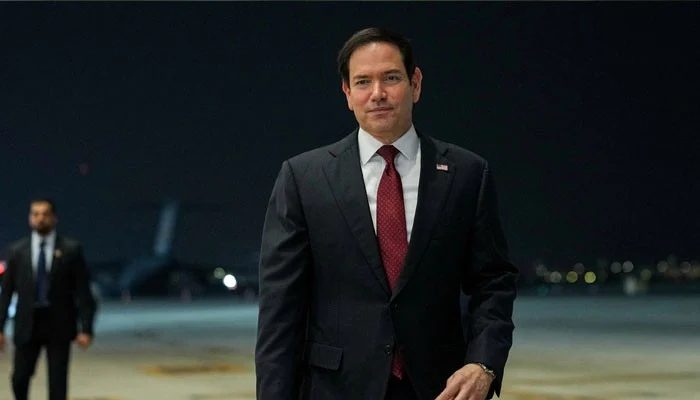
NEW DELHI: For the first time, a US secretary of state is set to visit India without any planned meetings in New Delhi, international media reported. Marco Rubio's itinerary instead includes Mumbai and Jamnagar during his trip from October 17-22 to India and Uzbekistan.
In Uzbekistan, he will visit Samarkand, the country's second-largest city, which is notably not the capital. Although Ahmedabad has emerged as the center-stage of India's diplomatic engagements since Narendra Modi's premiership began in 2014 - having hosted Donald Trump, Xi Jinping, Shinzo Abe, and Benjamin Netanyahu - this is the first time Jamnagar has been thrust into the spotlight.
Jamnagar is home to the Indian oligarch Mukesh Ambani family's major business interests, where Rubio will meet "senior government officials." It houses Reliance Industries' refinery, the world's largest single-site complex. In March, US President Donald Trump announced the construction of a $300-billion refinery on the southern US border backed by Reliance Industries.
Meanwhile, pending US legislation could impose tariffs of up to 100% on countries purchasing Russian oil, including India. The US-India bilateral trade deal also remains stalled.
This visit comes as US billionaire Elon Musk described Ambani as the "real boss of India" last week. While the White House announced Rubio's itinerary on October 13, the exact date of his arrival in India is yet to be confirmed.
"Several issues of a bilateral nature will be discussed," Ministry of External Affairs spokesperson Randhir Jaiswal said on October 14, when questioned on the agenda of Rubio's visit. Political analysts suggest that the shift in venue reflects the growing influence of private corporate entities in shaping foreign policy.
By bypassing the traditional diplomatic hub of New Delhi, the US administration appears to be signaling a focus on economic corridors and energy security. The choice of Jamnagar, specifically, highlights the strategic importance of the energy sector in the current geopolitical climate.
With the global energy market in flux, the reliance on major private refineries has become a focal point for international diplomacy. Furthermore, the visit to Samarkand in Uzbekistan indicates a broader US strategy to engage with Central Asian nations, potentially to counter regional influence from other global powers.
As the international community watches these developments, the outcome of the meetings in Jamnagar will likely set the tone for future US-India relations, particularly regarding trade, energy, and regional security.