
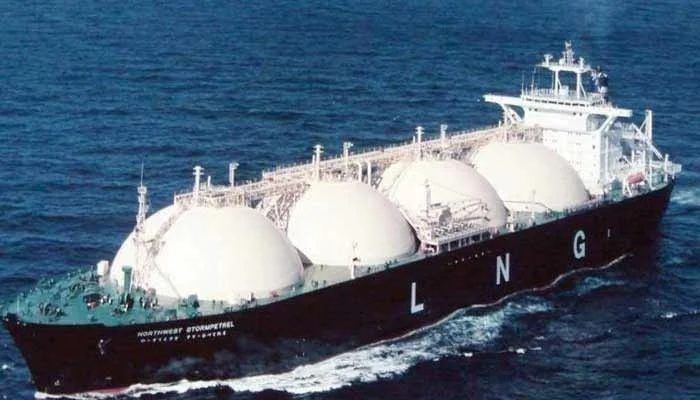
Pakistan is weighing a costly and high-stakes decision on securing liquefied natural gas (LNG) supplies for the coming winter. The Petroleum Division is pushing for 10 spot cargoes worth more than $1 billion to avert a potential gas crisis, while the National Crisis Management Cell (NCMC) advocates for greater reliance on existing supply arrangements to conserve the country's scarce foreign exchange reserves.
Authorities familiar with the developments say the matter will be placed before Prime Minister Shehbaz Sharif for a final decision on the number of spot LNG cargoes Pakistan should procure. The decision has become urgent as QatarEnergy's force majeure, now extended until November 6, continues to cloud the outlook for LNG supplies.
With no lasting US-Iran truce in sight and uncertainty over energy shipments through the Strait of Hormuz, officials fear disruptions could complicate Pakistan's efforts to meet domestic gas demand during December, January, and February. At stake is a trade-off between energy security and financial stability: buying expensive spot cargoes could prevent winter shortages but would place additional pressure on Pakistan's constrained external finances.
The Petroleum Division argues that securing additional supplies is necessary to ensure adequate gas availability during peak winter months, warning that failure to do so could trigger public anger. However, international LNG prices are hovering above $27 per million British thermal units (MMBtu), and the delivered price could approach $30 per MMBtu.
With an individual spot cargo costing more than $100 million, the procurement of 10 cargoes could push the total bill beyond $1 billion. The NCMC, meanwhile, takes a more cautious approach, stressing the need to balance energy requirements against limited fiscal space.
The cell favors securing additional cargoes through existing supply arrangements at more economical rates. According to officials, the NCMC believes Pakistan could arrange more than 12 cargoes through the existing framework until February 2027, at 13.37 percent of Brent crude, which would provide a substantial buffer against supply shocks.
The government is currently reviewing the fiscal impact of these imports. Finance ministry officials have expressed concerns regarding the impact of such a large expenditure on the current account deficit.
The final decision will likely reflect a compromise between the two competing viewpoints. Energy experts suggest that while spot purchases are expensive, the cost of load shedding for the industrial sector could be even higher.
They emphasize that the government must prioritize the power and industrial sectors to maintain economic growth. As the winter season approaches, the pressure on the administration to finalize the procurement strategy is mounting.
The Prime Minister is expected to chair a high-level meeting later this week to review the options presented by both the Petroleum Division and the NCMC. Ultimately, the decision will determine whether Pakistan faces a winter of energy shortages or manages to navigate the season with a significant strain on its national treasury.