
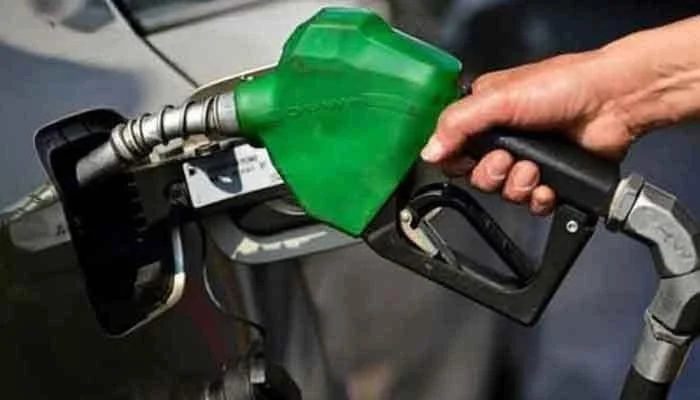
A parliamentary petroleum committee on Thursday pressed the government for greater transparency in fuel pricing and reviewed measures to shield consumers from a global oil-market shock, while being told that four of the country's five refineries have signed agreements to upgrade their plants.
The Standing Committee on Petroleum Division, chaired by Syed Mustafa Mehmood, was briefed that surging shipping and insurance costs, longer transportation routes, and exceptionally high refining margins had sharply increased the international cost of crude and petroleum products. The petroleum minister said the government is taking measures to maintain uninterrupted fuel supplies and limit the impact of higher global prices on domestic consumers.
The Oil and Gas Regulatory Authority (Ogra) told lawmakers that petrol and diesel prices are calculated under a publicly available formula based on international prices and Pakistan State Oil (PSO) data. The basic price is determined using a seven-day rolling average, the applicable exchange rate, and other prescribed components.
The committee called for greater public awareness of taxes, levies, transportation costs, and international benchmarks that make up retail fuel prices. The committee also questioned the role of the petroleum levy, noting that it was initially intended to cushion fluctuations in fuel prices but evolved into a regular source of government revenue.
Chairperson Mehmood stressed lawmakers' right to question its basis and impact on consumers. On refinery modernisation, the petroleum minister said four of the five refineries have executed upgrade agreements, with negotiations continuing with the remaining plant.
The government is seeking to boost domestic production and reduce reliance on imported refined fuels. Lawmakers also raised concerns about higher-sulphur petroleum products and their potential environmental impact during the winter and smog season.
The committee was further briefed on efforts to curb petroleum smuggling, including tighter border controls and plans to digitise the fuel supply chain from end to end to identify discrepancies between quantities entering the system and those sold. On the gas sector, Ogra was asked to provide updated figures on the liabilities and revenue shortfalls of Sui Northern Gas Pipelines Limited (SNGPL) and Sui Southern Gas Company Limited (SSGCL), including reconciliation of outstanding amounts.
The committee also ordered a detailed briefing on Universal Gas Distribution Co and its proposed commercial gas sales, including procurement, customers, pricing, transportation, and use of SNGPL and SSGCL infrastructure. It also sought research into supplying farmers with cheaper Light Diesel Oil while preventing misuse, diversion, and revenue leakage.
The committee was told that 1 billion rupees has been allocated this year for gas schemes within a five-kilometre radius of oil and gas wells, with 70 per cent proposed for SSGCL and 30 per cent for SNGPL. Members called for details on implementation and utilization of the funds at the next meeting.