
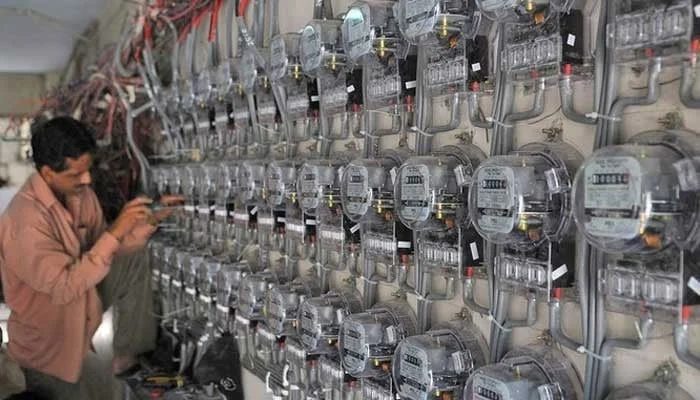
The National Electric Power Regulatory Authority (Nepra) has increased electricity prices by Rs1.11 per unit under the monthly fuel cost adjustment (FCA) mechanism for August, according to a notification issued on Wednesday. The increase will remain applicable for one month and will be recovered from consumers through their October electricity bills.
The notification stated that power consumers across the country, including Karachi, will bear the additional charge as part of the August fuel price adjustment. Sources said the latest adjustment would transfer an additional financial burden of around 19 billion rupees to electricity consumers.
However, lifeline consumers have been exempted from the increase and will not be affected by the revised tariff. The latest fuel cost adjustment comes amid broader concerns over rising electricity supply costs and their impact on consumers.
Separately, Nepra has started reviewing a discounted 22.98 rupees per unit electricity package for industrial and agricultural consumers after the cost of supplying incremental power under the scheme climbed above the fixed tariff. According to the Power Division, the resulting gap between costs and revenues is currently being absorbed elsewhere in the power system, prompting the regulator to examine the package's sustainability.
The regulatory authority noted that continuous monitoring of fuel prices is essential to maintain stability in the power sector while minimizing the direct impact on vulnerable segments of the population. Business and industrial associations have repeatedly expressed concerns over high electricity tariffs, warning that escalating energy costs continue to hurt manufacturing competitiveness in international markets.
Economists point out that structural reforms in the energy sector, including improvements in transmission infrastructure and a reduction in line losses, remain critical to achieving long-term tariff rationalization. Further consultations between stakeholders, distribution companies, and federal ministries are expected in the coming weeks to address persistent circular debt challenges within the power sector framework.
Consumers are advised to adopt energy-saving practices during peak hours to help reduce overall consumption and mitigate the impact of rising monthly utility bills.