
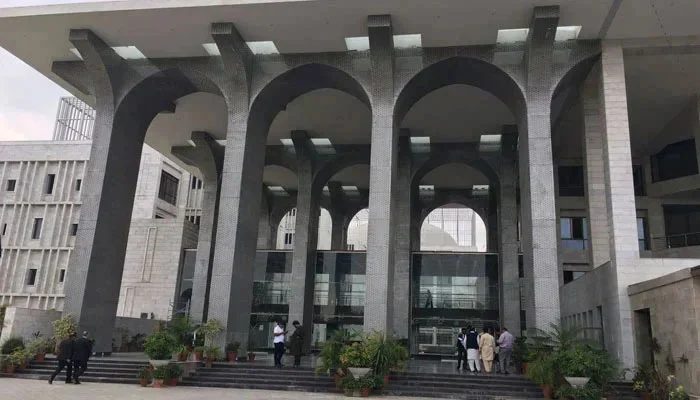
The Islamabad High Court (IHC) has issued a landmark directive ordering the immediate and complete closure of all shisha cafes operating within the federal capital. Chief Justice Sardar Muhammad Sarfraz Dogar presided over the hearing, emphasizing the urgent need to regulate these establishments to protect public health and maintain social order in Islamabad.
During the proceedings, the court expressed deep concern over the unchecked proliferation of shisha smoking in various parts of the city. The bench observed that the absence of a clear legal framework has allowed these cafes to operate without accountability, posing significant health risks to the youth and the general public.
As part of the judicial order, the court has mandated the immediate withdrawal of all previously issued no-objection certificates (NOCs) that were granted to these businesses by local authorities. The court maintained that these permits are suspended until a comprehensive and robust policy is formulated by the relevant government departments.
The IHC has directed the capital administration and the Islamabad Capital Territory (ICT) police to ensure strict compliance with the order. Officials have been instructed to conduct raids and seal any premises found violating the court's directives, ensuring that no shisha cafe remains operational until further notice.
Legal experts noted that this decision marks a significant step toward curbing the trend of shisha smoking, which has become a major concern for parents and health advocates in the city. The court emphasized that the health of the citizens, particularly the younger generation, remains a top priority for the judiciary.
The court further clarified that the ban is not permanent in a legal sense but will remain in effect until the government presents a detailed regulatory framework. This policy must address safety standards, age restrictions, and the licensing process for any future operations of such cafes.
The administration has been tasked with drafting these new regulations in consultation with health experts and law enforcement agencies. Once the policy is finalized and approved by the relevant authorities, the court will review the matter again to determine the future status of these establishments.
The petitioners, who had approached the court regarding the nuisance caused by these cafes, welcomed the decision. They argued that the noise, late-night activities, and the health hazards associated with shisha smoking were negatively impacting the residential areas of Islamabad.
The Islamabad Capital Territory (ICT) administration is expected to submit a compliance report to the court within the coming days. The court has made it clear that any negligence in implementing these orders will be viewed as a violation of judicial directives.
A detailed written judgment regarding the case is expected to be released shortly, which will provide further clarity on the legal grounds for the closure and the specific requirements for the upcoming policy framework.